

Saliva testing is a diagnostic tool that can reveal underlying oral and systemic health issues. It is a quick, pain-free procedure that can help your dentist create an individualized treatment plan.
Key takeaways:
- Saliva testing at the dentist is quick and painless.
- An oral microbiome test can analyze saliva for bacteria, yeast, viruses, pH, acidity, saliva flow, consistency, and other factors that influence oral health.
- There are two main types of testing: lab-based tests, which provide detailed information about microorganisms and other biomarkers, and in-office tests, which can evaluate saliva flow, pH, and dry mouth indicators during the appointment.
- Saliva testing can help identify possible contributors to gum inflammation, bleeding, recurring infections, tooth decay, and other oral health concerns.
- By identifying the underlying factors contributing to disease, testing can help your dentist.
Table of contents:
- What is Saliva Testing?
- Why Saliva Testing Matters
- Benefits of Saliva Testing
- Risk Factors of Saliva Testing
- Saliva Testing for Patients with Dry Mouth
- What is Xerostomia?
- What Happens During a Saliva Test
- What a Saliva Test Can Tell You
- Saliva Testing FAQs
What Is Saliva Testing?
A saliva test, also called an oral microbiome test, uses your saliva to analyze your mouth’s environment for factors
such as bacteria, yeast, viruses, pH, ability to neutralize acids, consistency, and more. All of these factors impact your mouth’s ability to fight disease.
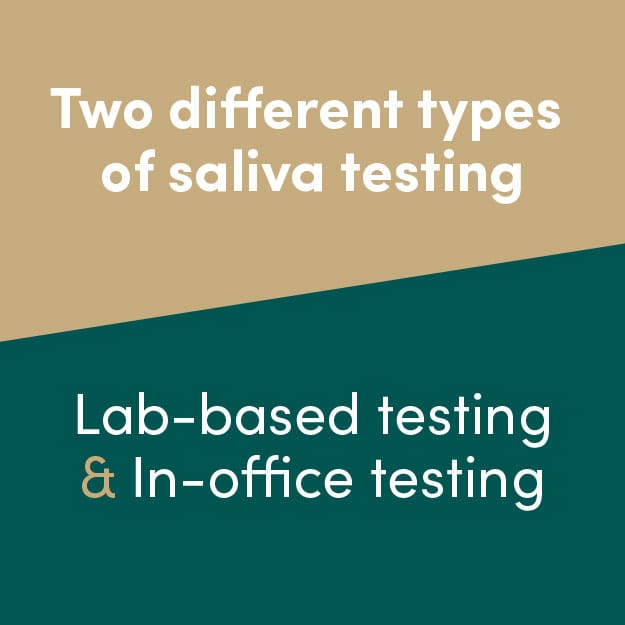
There are two different types of saliva testing available:
- Lab-based testing: A saliva test is conducted in your dentist’s office. The sample is sent to a lab to test for bacteria, viruses, yeast and hormone levels. This test is used for patients who have been diagnosed with gum or periodontal disease to help identify treatment recommendations.
- In-office testing: A saliva test is conducted in your dentist’s office and they are able to test for pH, flow quantity, quality, consistency and dry mouth indicators right away. This test helps your dentist form a plan for treating dry mouth and cavity prevention.
Both saliva tests are fast and non-invasive. Lab tests are very simple swish and spit tests. In-office chairside tests are simple spit tests.
Why Saliva Testing Matters
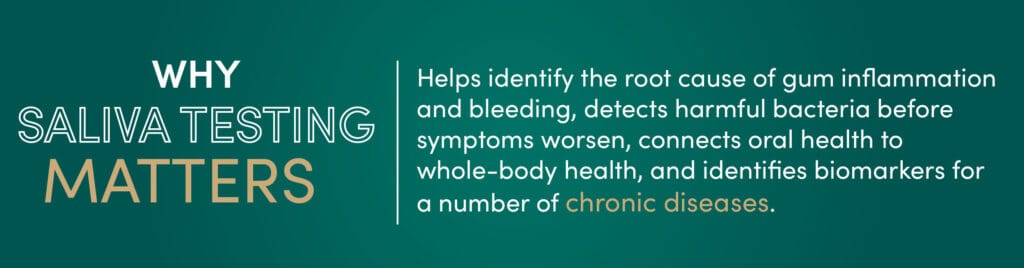
Instead of treating recurring gum inflammation blindly, saliva testing can pinpoint the exact bacteria, yeast or virus causing issues in your mouth. When your dentist understands what is causing the problem, it leads to more targeted, effective care.
A saliva test can:
- Help identify the root cause of gum inflammation and bleeding
- Detect harmful bacteria before symptoms worsen
- Connect oral health to whole-body health
- Identify biomarkers for a number of chronic diseases, including but not limited to:
- Cardiovascular disease
- Diabetes
- Autoimmune conditions
- Alzheimer’s and dementia
- Gut health issues
- Reproductive health concerns such as pregnancy loss and erectile dysfunction
- Cancer
Benefits of Saliva Testing
These simple, painless tests provide a lot of data that help dentists understand what is happening on a microscopic level. The benefits of testing your oral microbiome include:
- Non-invasive and painless point-of-care testing
- Fast and convenient
- Preventive and proactive
- Supports whole-body wellness
- Aids in the treatment and prevention of disease progression
- Improves treatment outcomes
Risk Factors of Saliva Testing
There are little-to-no risks connected to a saliva test. They are quick and non-invasive.
Saliva Testing for Patients with Dry Mouth
In-office saliva tests are offered for patients who struggle with dry mouth and cavities. Dry mouth, also known as xerostomia, can be caused by a number of issues including certain medications, radiation treatments, mouth breathing, autoimmune conditions, hormonal imbalances, airway issues, and more.
What is Xerostomia?
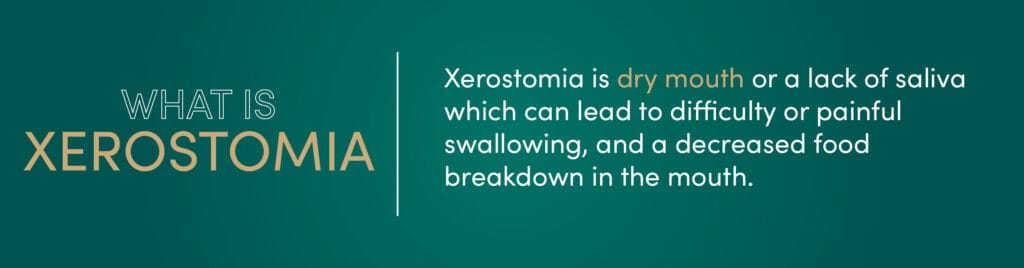
Xerostomia is dry mouth or a lack of saliva which can lead to difficulty or painful swallowing, and a decreased food break down in the mouth. This condition creates a dry, acidic, oral environment that may lead to rapid-forming tooth decay and possibly painful tissues.
Those at higher risk for xerostomia include:
- Persons taking medications that treat allergies, depression, and anxiety, blood pressure and heart medications, weight loss medications including GLP1s, decongestants, muscle relaxants, antipsychotics, and opioid narcotic pain medications among others. When taking multiple medications in these categories, the risk is compounded.
- Hormonal changes such as drops in estrogen and progesterone decrease blood flow to the salivary glands, which can contribute to dry mouth. This impacts women in particular as hormones fluctuate during menstrual cycles, perimenopause and menopause.
- Radiation treatments in the head and neck area can damage salivary glands and lead to xerostomia or decreased saliva production.
- Certain autoimmune disorders such as Sjögren’s syndrome, attack the salivary glands and disrupt the formation of saliva.
Xerostomia isn’t just uncomfortable, it can also impact oral health, leading to:
- More rapid tooth decay
- Gum irritation
- Oral yeast infections
- Difficulty and painful eating and swallowing
What Happens During a Saliva Test?
If you’ve never had a saliva test before, you might be curious about the process. Saliva tests are quick, non-invasive, and painless. Here’s what you can expect from your first test:
- Schedule your saliva test appointment, often done the same day as your doctor or hygiene appointments.
- Perform a quick swish/spit or spit test.
- Sample sent to a lab (if applicable).
- Review results either instantly chair-side, or 2-3 weeks after sending to a lab with the dental team.
- Dr. Horkan and the hygiene team will create a personalized care plan based on your results.
What Happens During a Saliva Test?
A simple saliva test can tell us a lot about what is going on in your mouth and body. Getting data on the type of bacteria in your mouth or your pH levels can help us create targeted oral health care plans that treat the underlying cause instead of treating the symptoms. It’s a simple test that pulls a lot of weight when it comes to whole-body care.
Here’s what an oral microbiome test will tell your dentist:
- Bacterial composition in your mouth
- pH balance and acidity levels
- Saliva flow and protective function
- Risk factors for decay, gum disease, or infection
- Insight into systemic inflammation or health concerns
What Happens After A Saliva Test?
After your saliva test, the dentist will review your results and create a targeted plan to restore balance to your mouth’s microbiome. Understanding the root cause of your dental issues gives dentists the ability to create targeted plans that are more effective than a generic plan targeting symptoms. At Montrose Dental Wellness, we receive results from immediately (chairside test) to two-to-three weeks (lab test), and once the results come in we will schedule a time to review your personalized plan.
Here are a few examples of what that plan might look like
Gum Disease: When your oral microbiome imbalance is caused by bacteria, yeast or viruses, we often prescribe a customized plan of antibiotics, and/or antifungals and antivirals in conjunction with dental treatments to ensure we are targeting all areas of disease.
pH Imbalance: If your mouth’s pH is out of balance, we will use specific rinses and toothpastes that have elevated pH to restore balance in the oral microbiome.
Dry Mouth/Xerostomia: All patients who experience dry mouth are given a specific set of dry mouth protocols including products, lifestyle and nutrition recommendations, to address dry mouth and alleviate some discomfort. If your mouth struggles to produce enough saliva, we may use a saliva stimulation therapy like therapeutic gums, mints and medications to stimulate saliva and combat disease.
At Montrose Dental Wellness, we won’t guess or gamble with your health. Our team is committed to using tools designed to create precise treatments that target disease for the best outcomes.
Saliva Testing FAQs
What is saliva testing?
Salivary testing is a simple swish and spit or simple spit test that allows us to analyse one’s saliva for an array of concerns.
What can salivary testing detect?
Salivary testing can detect an array of things including bacteria profiles, yeast, viruses, hormones, pH and more.
Who is saliva testing for?
Anyone and everyone. Salivary testing can be done on anyone to tell you more about what’s going on in your mouth and is especially beneficial to those who have active disease including cavities and gum disease.
Where can I get a saliva test?
Montrose Dental Wellness offers a full spectrum of salivary diagnostic testing for all your dental needs.
How is a saliva sample collected?
Saliva is collected in a tube or cup and analyzed from there.
Is saliva testing painful or invasive?
No, salivary testing is painless and non-invasive.
How long does it take to get saliva test results?
Chairside results are instant while lab tests typically take 2-3 weeks to return.
Do I need to prepare before taking a saliva test?
Certain products and medications can impact your lab salivary tests so we require the following wait times after the use of certain things, or ask that you avoid it prior to your dental appointment when possible:
Mouthwash or antimicrobial or antibiotic rinses: Avoid prior or wait 24 hours after use before testing, as these disrupt the microbial load we are testing for and may throw the test results.
Dental hygiene procedures that disrupt the biofilm: Avoid prior to testing or wait 2 weeks post procedures before testing.
Use of local antibiotics (Arestin) in gum pockets: While our office does not utilize these local antibiotics on patients due to their limited efficacy, we often see patients using them come from other offices. We recommend avoiding this medication prior to salivary testing or wait 4 weeks after use before testing.
Systemic oral or IV antibiotics: If you have taken any systemic antibiotic orally in pill form or from an IV, we will need to wait 6 weeks before we can do any salivary tests for gum disease.
Please note: Chairside salivary tests are not impacted by any of the above and can always be completed same day.
How accurate is saliva testing?
The world of salivary testing has exploded in recent years with numerous companies offering tests. This is why we have done the research to vet companies that provide the most accurate and thorough tests for our patients.
Is saliva testing covered by insurance?
Insurance companies are very slow to adapt to more recent services, so at this time insurance companies are not covering the types of testing patients need.