
Emergency Dentistry FAQs
At Montrose Dental Wellness, we believe an ounce of prevention is worth a pound of cure. Having a home dental office means you are getting preventive care that can address issues before they become emergencies. It also means you have a trusted provider to turn to if you end up with tooth pain on a Saturday night. Here are answers to some of the questions we get about emergency dental care.
Have questions about a specific issue? Give us a call 970-497-4009.
What is considered a dental emergency?
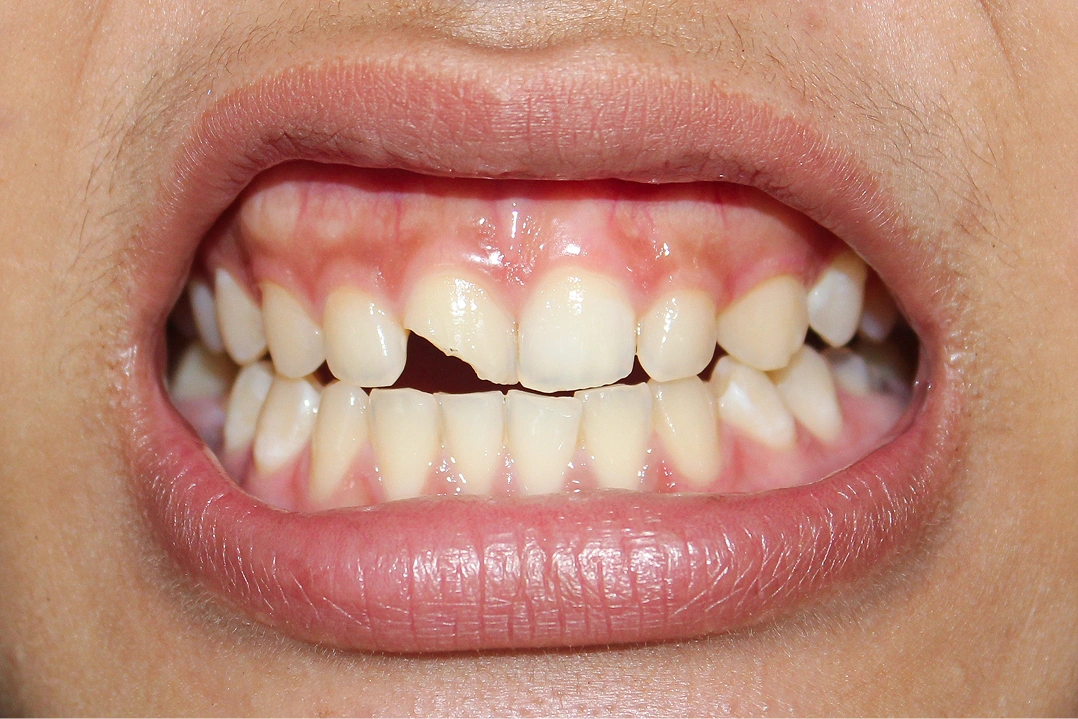
A true dental emergency typically includes significant facial swelling that comes from an infected tooth. These can be life-threatening and emergency care should be sought immediately. Common dental urgencies, which are sometimes referred to as emergencies, involve tooth pain, broken teeth, split or cracked teeth, mouth sores, swollen gums, minor mouth swellings, and broken or displaced restorations among other things.
When should I go to an emergency dentist vs. the hospital ER?
Most dental urgencies and emergencies can be handled by your dentist. However, if you have significant facial swelling or have difficulty breathing, you should seek immediate medical attention.
How quickly should I seek care for a dental emergency?
The sooner you seek care, the better. Often when people wait, the pain or condition gets worse, and can result in more invasive treatment, tooth loss, and/or more expensive costs. Additionally, when people wait, they tend to run into office closure times or weekends when their dental office is closed or have to pay significant emergency after hours fees.
I am having a dental emergency at night or on the weekend, and my dentist’s office is closed, what should I do? Should I go to the ER? Is there urgent care for dental care?
This is where it is critical that you are an established dental patient in a practice. Most dental offices won’t see an emergency patient after hours if they are not already a patient of record. If you have a dental office, call them, and they typically have an on-call doctor or team member who can help you. If you have not established care, you can try an urgent care. However, the only dental emergency that warrants a trip to the emergency room is if you have significant facial swelling that makes it hard to breathe. This may also require a call to 911. Outside of dental offices, most healthcare professionals don’t get the proper training to handle dental emergencies, and patients are often given antibiotics for situations that don’t require them, or they are given the wrong antibiotic, simply because the urgent care or emergency department doesn’t know any better. Most staff in these departments haven’t received extensive training in oral healthcare.

Can I wait to see my regular dentist? When is it a true emergency?
Pain that isn’t going away, broken or chipped teeth, or swelling of any kind should be seen by a dentist to make a proper diagnosis and treatment recommendation. If the pain comes on but goes away, it may be okay to wait, but any consistency or on/off again pain or discomfort should be seen by a dental professional for further evaluation to prevent things from getting worse.
What happens during an emergency dental visit?
Our dental team will evaluate the problem, usually conducting an exam and taking any X-rays as needed to come up with a proper diagnosis. Then a plan will be formed depending on the problem or diagnosis to get the patient out of pain. The treatment or recommendations will vary depending on the problem. In some cases, same-day treatment may be performed.

How fast do I need care if I knock out a tooth?
If a whole tooth is knocked out and it can be re-implanted, it needs to be done right away. Waiting hours could result in the inability to re-implant the tooth and permanent tooth loss that requires replacement.
I knocked out my tooth. Should I put it in milk, water, or back in my mouth?
Saliva is the best place for your tooth, followed by milk. The sooner you get to the dentist, the better. You have one hour to get your tooth re-implanted by a dentist. That being said, a knocked out tooth often comes alongside facial traumas that need to be urgently treated in an ER or doctor’s office, which may delay dental care.
How fast do I need care if I chip or break a tooth?
Chipping or breaking a tooth can lead to more chips, breakage or even pain and infection. It is best to seek care right away.
How fast do I need care if I have a severe, persistent toothache?
Severe and persistent toothache means the issue is not going away, and you should seek care right away. Going to your dentist immediately helps you avoid needing care on the weekend when most offices are closed, making it either very difficult or expensive to get an appointment.
What if I have a dental abscess or facial swelling?
An abscess or swelling is serious and can be life threatening and you should seek care immediately. A dentist will be able to relieve the swelling or provide proper medication and treatment.

Is emergency dental care covered by insurance?
Most dental benefits or dental insurance plans cover all or part of emergency care. Emergency care consists of a limited examination, X-ray, and any treatment. Most plans limit reimbursement to two dental exams per year regardless of what kind of exam. It’s best to establish care with a dentist to receive routine preventive care rather than waiting until an emergency comes up.
What types of treatments are common in emergency dentistry?
An emergency dental exam will always include a limited exam and X-ray. Usually, the main goal of treatment is to get a patient out of pain, this could mean smoothing a tooth, placing a filling, or, sometimes, same-day treatments such as crowns, root canal therapy, or surgery to remove the tooth.
Do I need an antibiotic or can I use a topical treatment?
As a general rule, pain in your gum tissues due to trauma may be treated topically with antioxidant gels or warm saltwater rinses. Pain associated from swelling in the mouth will almost always require an antibiotic. Also, deep cavities and past root canals can flare up and cause infections inside the tooth leading to pain on chewing or hot/cold sensitivity. Sometimes in these situations an antibiotic or treatment is needed and there is no topical treatment that will help.
Do dental offices offer payment plans in the case of a dental emergency?
This will depend on individual clinic policies. At Montrose Dental Wellness, we offer CareCredit and payment plans in many situations.
What if I have a bad cut in my mouth that won’t stop bleeding? Should I go to the ER?
The best way to stop bleeding is with pressure. Use wet gauze and water or saline and apply pressure to the area for 30 minutes. If the area is still bleeding after 30 minutes use a black tea bag and get it wet before applying with pressure. Common black teas are Earl Grey and English Breakfast. If there is a large, open wound, you may need to seek a dental professional, such as a dentist or oral surgeon, to suture and close it. These professionals are almost never found in the emergency room, and you should always follow up with your dentist.