
Pediatric Dentistry
Healthy Habits Start with Happy Visits

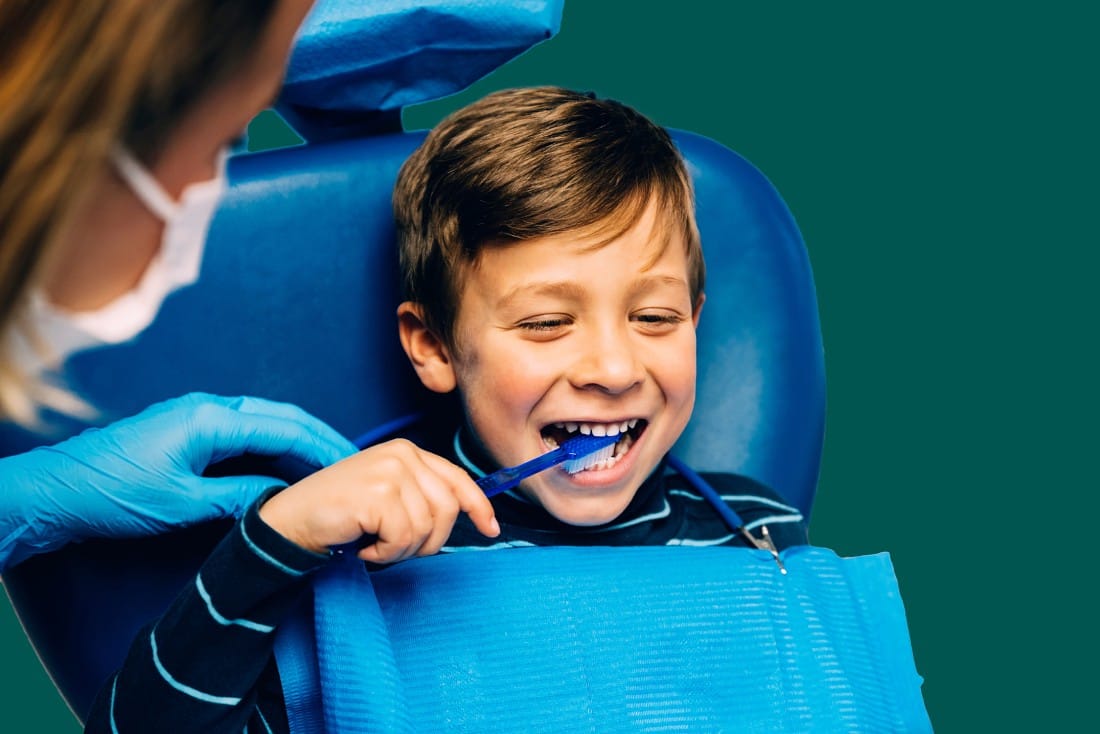
Checkups & Cleanings
Our pediatric cleanings create a fear-free foundation for a lifetime of healthy habits. We provide gentle cleanings and exams designed to build your child’s confidence, advanced technology to detect cavities early, and airway assessments to support your child’s growth and development.
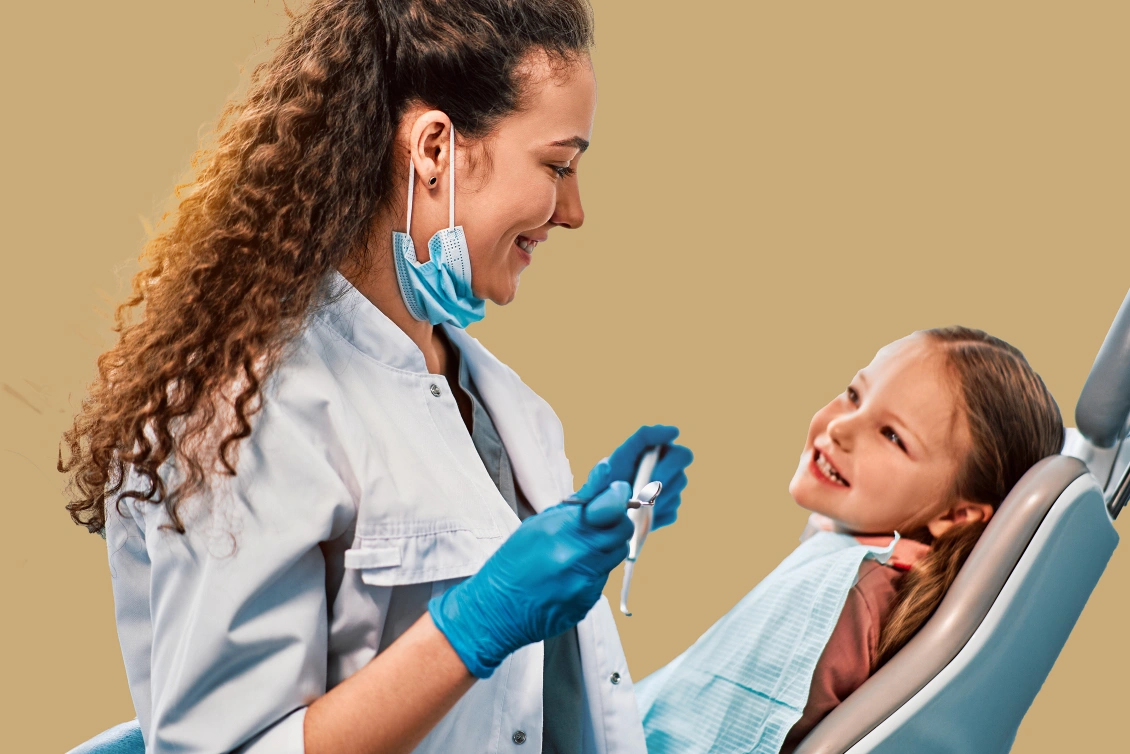
Cavity prevention + fillings
We use advanced technology to stop cavities in their tracks, but when they do happen, we don’t want it to be scary. For pediatric fillings, we use specialized, kid-friendly numbing techniques and fillings, that don’t irritate the gum tissue or cause problems with the permanent tooth eruption. We use safe protective sealants to provide a smooth, durable barrier against early childhood cavities.
Fear-free care
We’ve designed our office to remove the anxiety often associated with the dentist. It is the ideal environment to set children up with lifelong oral health habits. Our comprehensive, wellness-first approach helps avoid invasive procedures down the road. With private rooms, relaxing music, and friendly staff, we want to ensure that your little one’s safety and comfort are first priority.

Pediatric Dentistry FAQs
When should my child have their first dental visit?
We recommend your child see a dentist by their first birthday or within six months of their first tooth appearing to ensure healthy development from the start.
Why are baby teeth so important if they eventually fall out?
Baby teeth act as essential placeholders for adult teeth and play a vital role in your child’s speech development and proper nutrition.

How often does my child need to see the dentist?
All children should visit every six months for a professional cleaning and exam to monitor growth and stay ahead of cavity prevention. Those that are very cavity prone may need more than 2 visits a year.
What is an airway assessment and why does my child need one?
We evaluate how your child’s facial growth and development with oral structures affect their breathing to help prevent issues like pediatric sleep-disordered breathing, which may lead to behavioral and attention issues.
How can I prepare my child for their first appointment?
Keep it positive and avoid using scary words; we recommend reading a fun book about the dentist together so they know exactly what to expect. Setting clear and positive expectations is the first step to setting your child up for a stress and anxiety free appointment.
Are dental X-rays safe for children?
Yes, we use digital X-rays that require significantly less radiation than traditional film and we only take them when necessary to monitor jaw development. The average amount of radiation for all patients, even pediatric, from dental X-rays is similar to the amount of solar radiation you get from spending a few hours outside.

When should my child start using fluoride toothpaste
Children should not use Fluoride toothpaste until they have developed the proper habit of spitting. The goal is to prevent them from swallowing their toothpaste. You can use a tiny smear the size of a grain of rice as soon as the first tooth erupts, then upgrade to a pea-sized amount once they reach age three.
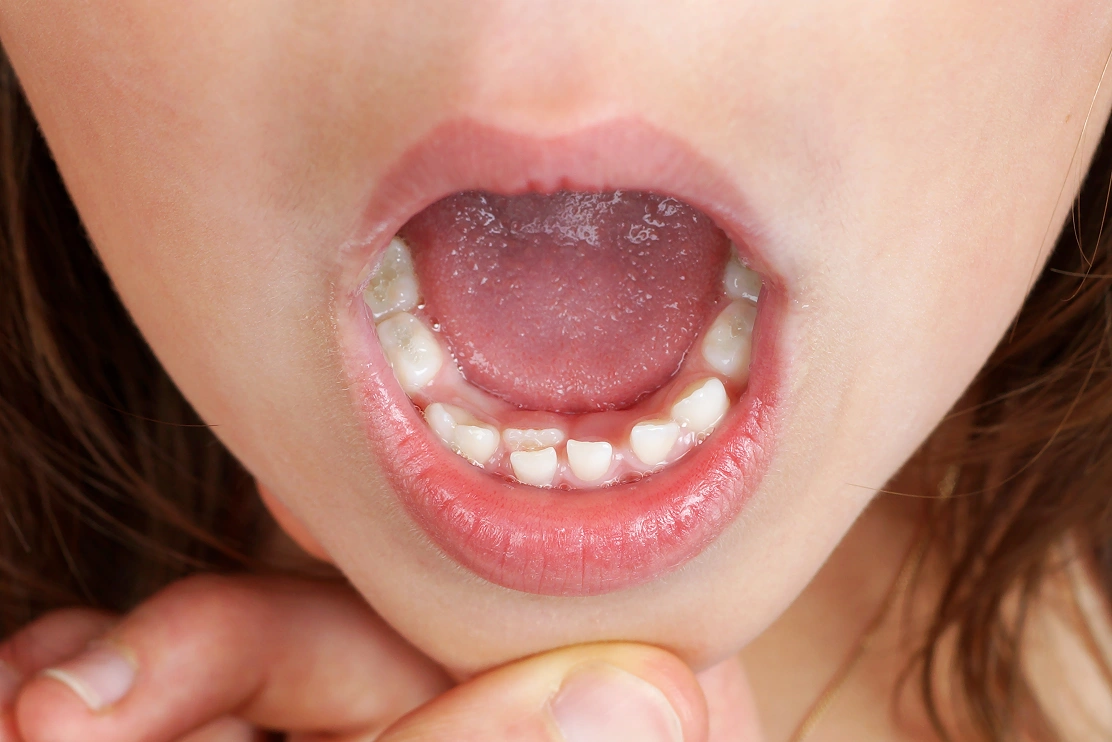
My child’s adult teeth are coming in behind their baby teeth and they have multiple rows. Is this normal?
Yes, this is completely normal for baby teeth in the front. In most cases, the adult front teeth will erupt behind the baby (primary) teeth and then move forward to replace the baby teeth after they are wiggled out. Adult or permanent back teeth erupt directly under the baby tooth and tend to push it out often with one side becoming loose before the other which may need some wiggling.

When does my child need braces?
The reason why its so important for us to see a child as early as age one, is to screen for proper growth and development. Most children are referred to an orthodontist by age 7, however a significant number of children are referred earlier due to small arch space and significant crowding that may be causing a cross bite. In these cases, we need to intervene as quickly as possible.